READ MOREBlackness is Blooming Symposium report
Blackness is Blooming was a symposium held at Zeitz Mocaa that delved into the complex experiences of exile and the aftermath of displacement as explored in the exhibition A Protea Is Not a Flower.READ MOREFilm Screening: Aquila, J.M. Coetzee and The Jesus Trilogy
The CHR welcomed J.M. Coetzee on his visit to the CHR’s Iyatsiba Lab and was proud to host the screening of Aquila, a film by Callum Chiplin and Jade Harris-Tyler, based on Coetzee’s The Jesus Trilogy.READ MOREOpen Call: The Cape Town Workshop
We are delighted to announce that applications are now open for a fully funded 12-day research and practice-led programme of workshops, discussions, and encounters with historical archives and contemporary practice in July 2027.
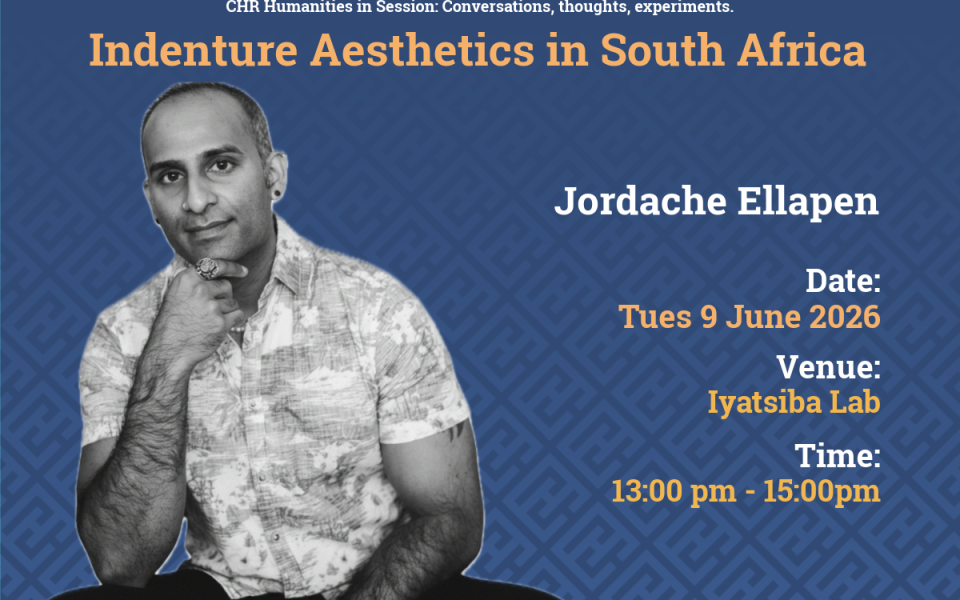
In this public conversation, Jordache Ellapen engages his newly published book, Indenture Aesthetics: Afro-Indian Femininities and the Queer Limits of South African Blackness.
The Transnational Technocultures Research Group (Rayvon Fouchè | Northwestern University, Premesh Lalu | University of the Western Cape, Tiziana Terranova | University of Naples L’Orientale, Domietta Torlasco | Northwestern University) invites you to, The Physics of Technocultural Locations.
The CHR, in collaboration with the Ruth J. Simmons Center for the Study of Slavery & Justice at Brown University, the Smithsonian National Museum of African American History and Culture, and Iziko Museums of South Africawill be hosting in Slavery’s Wake: making Black Freedom in the World, on 27 May 2026.
The exhibition Facts and Fabulations is the outcome of a Digital Curatorial Fellowship from the New Archival Visions Programme at the UWC Centre for Humanities Research. The project demonstrates how academic research can become a public, accessible, and participatory cultural experience.
The Centre for Humanities Research at the University of the Western Cape and the Little Museum of Dublin are proud to present Together/Apart, which opened in Ireland in May and will open in South Africa in August.
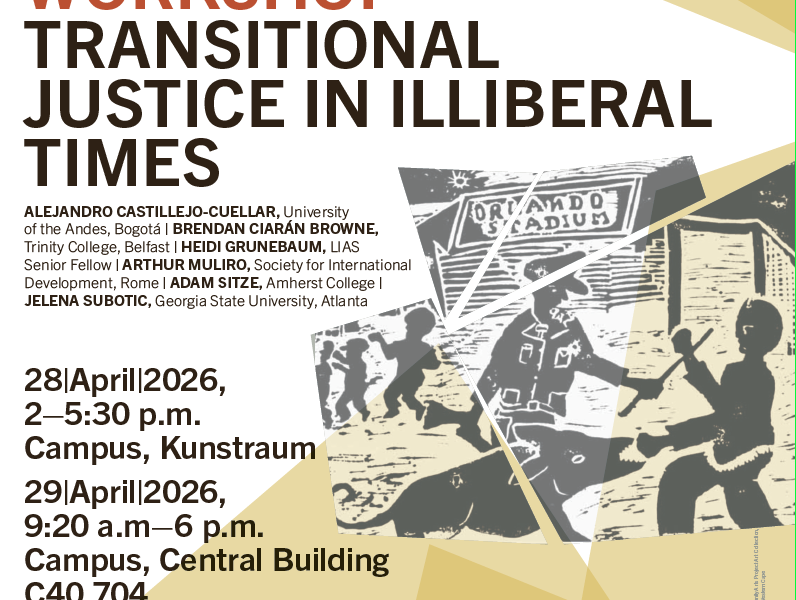
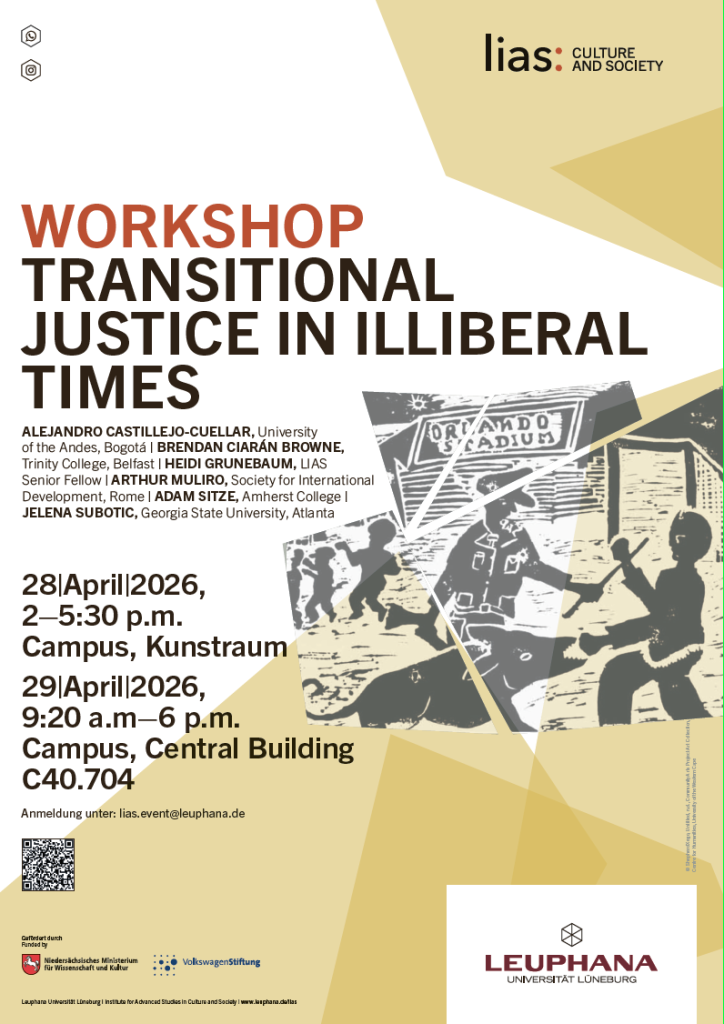
The term “transitional justice” rose to prominence after 1995, when the United States Institute of Peace (USIP) published its three-volume series Transitional Justice (Kritz, ed). In the decades since, and corresponding to the end of the Cold War and defeat of the Soviet Union, the field appeared to flourish.